
LG is making waves in the laptop display market with its latest innovation, boasting an auto-refresh rate feature that dynamically adjusts between 1 and 120 Hz. This technology is not just about performance; it also promises significant improvements in battery life. According to LG, laptops equipped with this display could see battery life extended by an impressive 48%. That’s a game-changer for users who rely on their devices for long stretches without access to a charger.
The new technology plays a crucial role in improving the efficiency of power consumption. By adapting the refresh rate according to the content being displayed, the screen can conserve battery when high refresh rates aren’t necessary. This means smoother, more fluid visuals for gaming or video viewing, while also maximizing battery life during less demanding tasks.
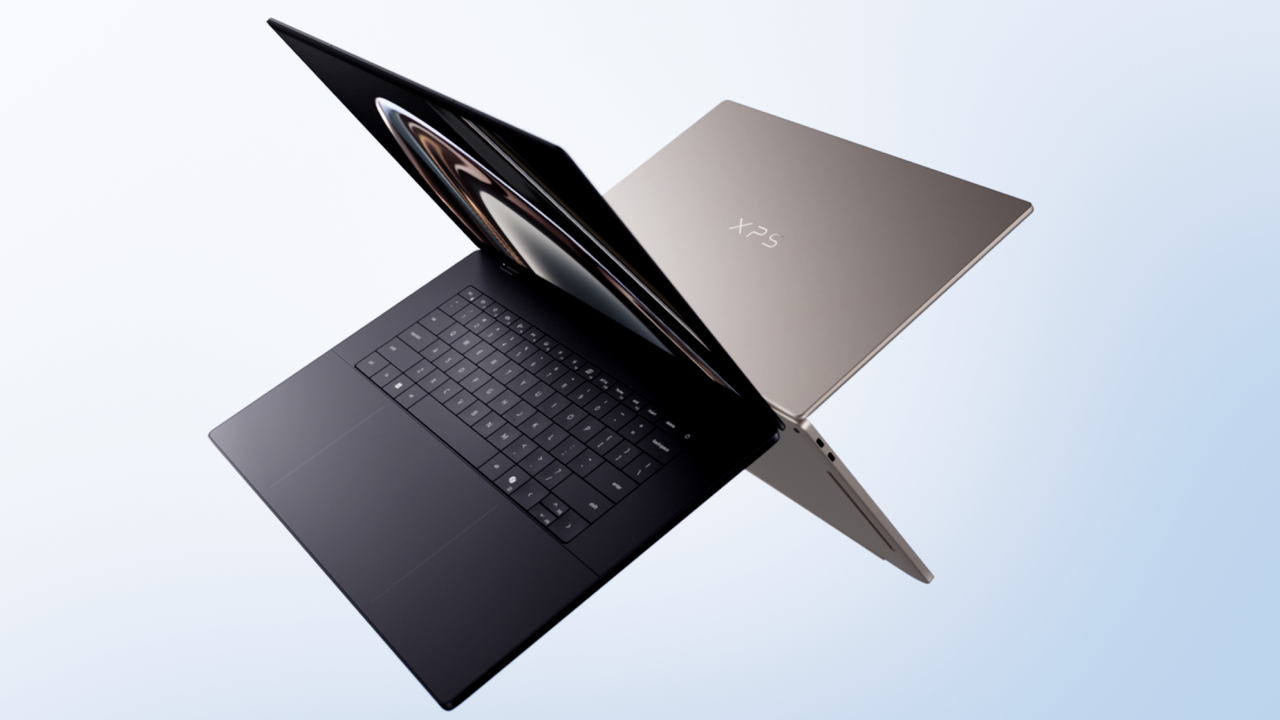
Dell is already reaping the benefits, integrating this display technology into its latest XPS lineup. The result? A staggering 31 hours of battery life, which is a remarkable feat in the world of laptops, where power management is often a major concern. Users can expect to go about their daily tasks with confidence, knowing that their device is as enduring as it is powerful.
Though the LCDs are leading the charge this year, LG has plans for an OLED version set to release in 2027. This signals an exciting future for laptop displays, where advancements in refresh rate technology could continue to redefine user experiences.
As battery technology evolves, the combination of high-performance displays and extended battery life will become increasingly essential. LG’s commitment to innovation in this space not only enhances the current landscape but also sets a promising precedent for the future of portable computing. The push for efficiency and performance is surely going to resonate with users who value both power and longevity in their devices.
Source: pcgamer.com