
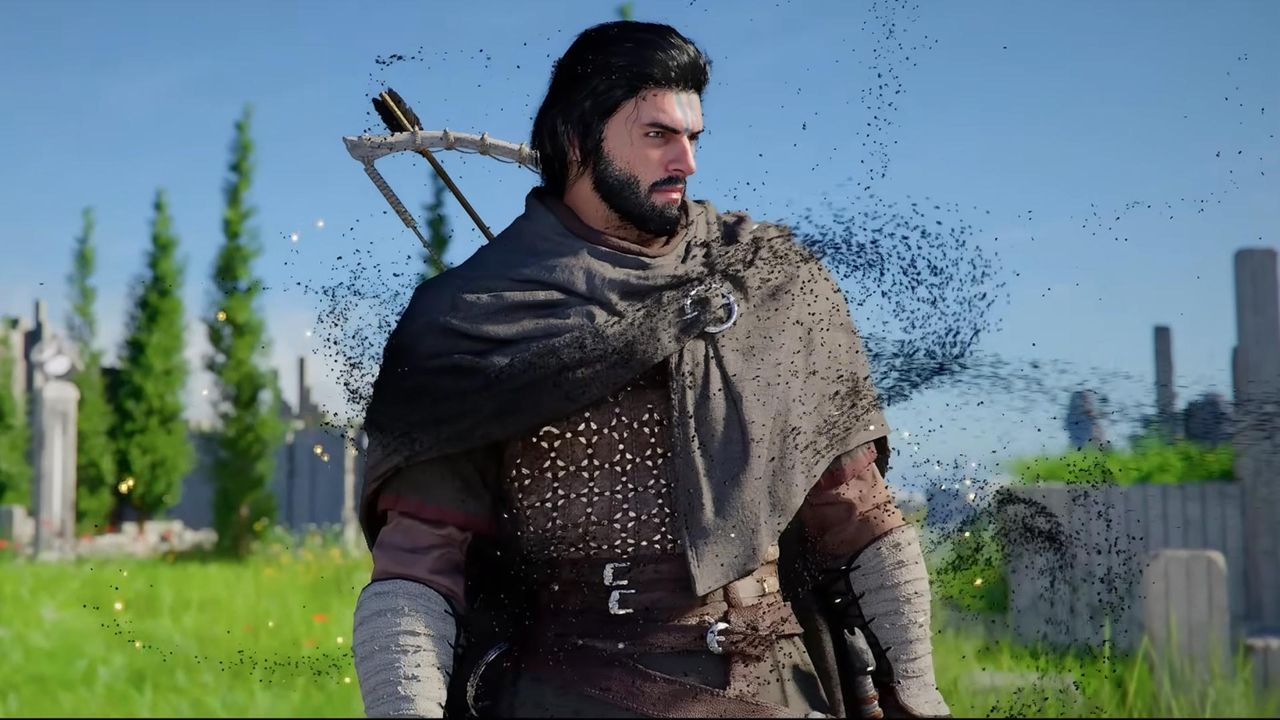
In a landscape where technology and gaming are becoming increasingly intertwined, the conversation surrounding artificial intelligence in games is heating up. Mike Morhaime, the former president of Blizzard, recently shared his thoughts on the backlash against AI integration in gaming, suggesting that it’s time for gamers to adopt a more resilient mindset about the evolution of their favorite pastime. His remarks come on the heels of an apology issued by the developers of Crimson Desert, a title that has faced scrutiny regarding its use of AI.
Morhaime’s comments carry weight, especially from someone who has been at the forefront of gaming for decades. His assertion that AI will inevitably be a part of every video game might initially sound alarming to some, but it opens up a broader conversation about how technology can enhance gaming experiences rather than detract from them. Many players are understandably protective of the creative integrity of their beloved titles, and any perceived threat from AI can stir up strong emotions.
The apology from the Crimson Desert team reflects a growing awareness among developers about player concerns regarding AI. This is a critical moment for the industry, where developers must navigate the fine line between innovation and tradition. While some gamers fear that AI could dilute the artistry or personal touch of game design, Morhaime argues that embracing these advancements could lead to richer narratives and more dynamic gameplay.
Ultimately, the dialogue around AI’s role in gaming represents a larger shift in how we perceive technology’s place in our lives. The reality is that change is an essential part of any medium, and gaming is no exception. As players, it might be beneficial to approach these developments with an open mind, recognizing that evolution is often a catalyst for creativity. Embracing this shift doesn’t mean losing what we love about gaming. Instead, it can inspire new possibilities that could redefine our experiences.
Source: pcgamer.com