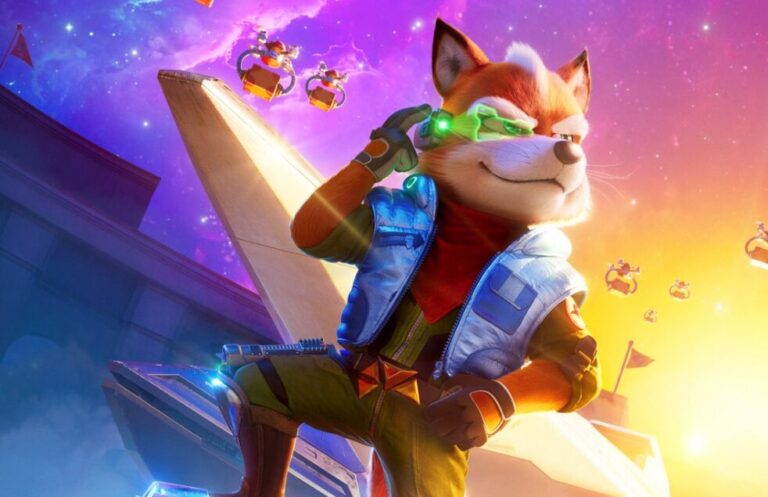
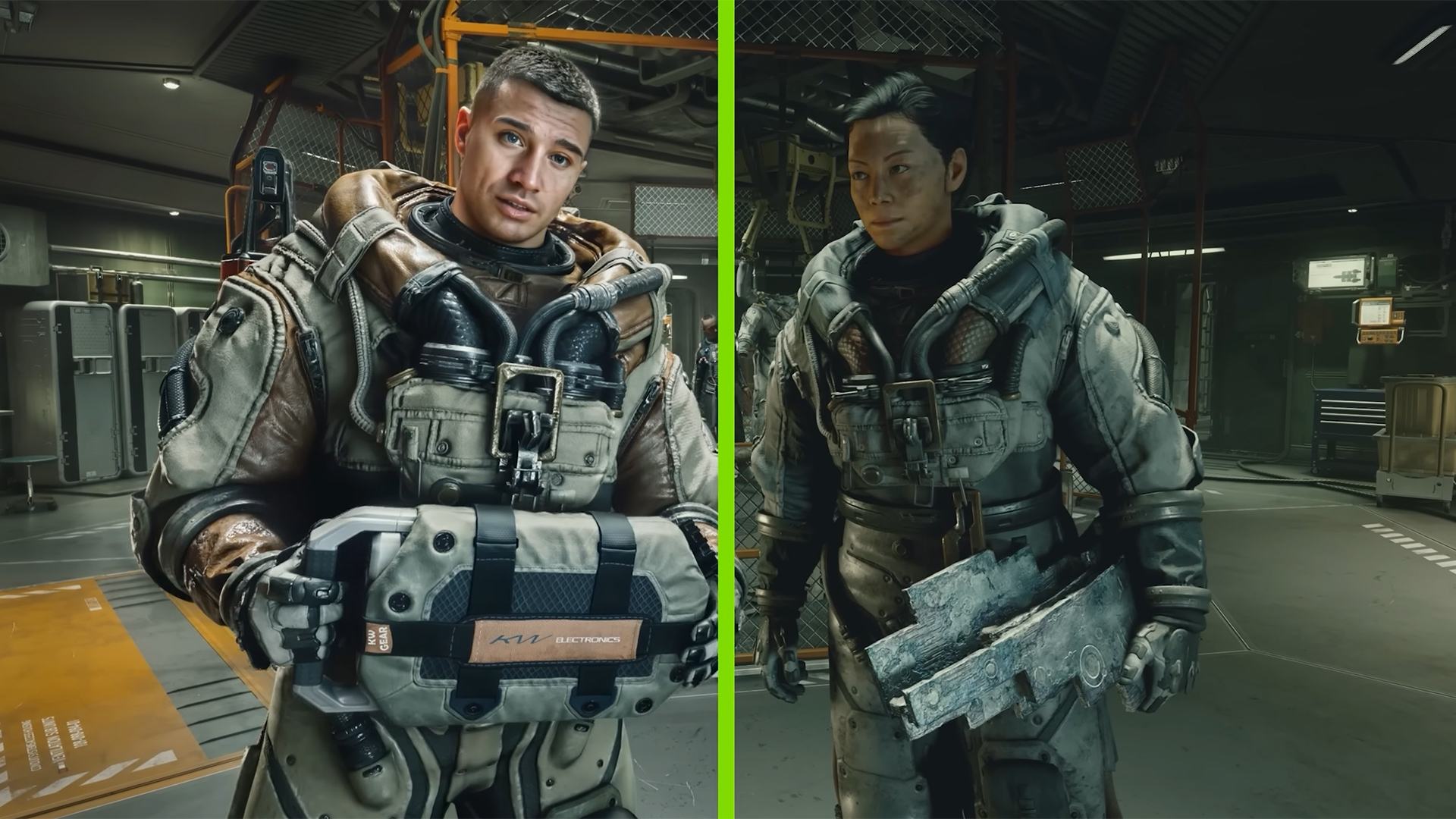
In a recent discussion on the implications of advanced AI technologies like DLSS 5, a thought-provoking question has emerged: what version of a game best captures the essence of the collective experience? As studios increasingly adopt these transformative tools to enhance visual fidelity and performance, the delicate balance between preserving a creator’s original vision and meeting modern player expectations comes into sharp focus.
The debate is especially relevant as we see beloved titles, perhaps heavily modded or enhanced by AI, diverging from their original state. Some argue that such enhancements can dilute the emotional impact and the unique character of a game, pushing aside what made the experience special in the first place. This raises a critical point about authenticity and memory in gaming. Are players experiencing the game as the developers intended, or are they now enjoying a version shaped by technological advancements that may alter the very fabric of the narrative or visual design?
The crux of the matter lies in understanding who the ultimate authority is in the gaming experience. Is it the creators, who labor over every detail, or the audience, whose memories and interactions can redefine a game’s meaning over time? As technology continues to blur the lines between art and enhancement, it becomes increasingly crucial to navigate these changes thoughtfully. After all, in a medium as interactive and collaborative as video games, preserving the soul of a game while embracing new possibilities is a challenge to be approached with care.
Source: videogameschronicle.com