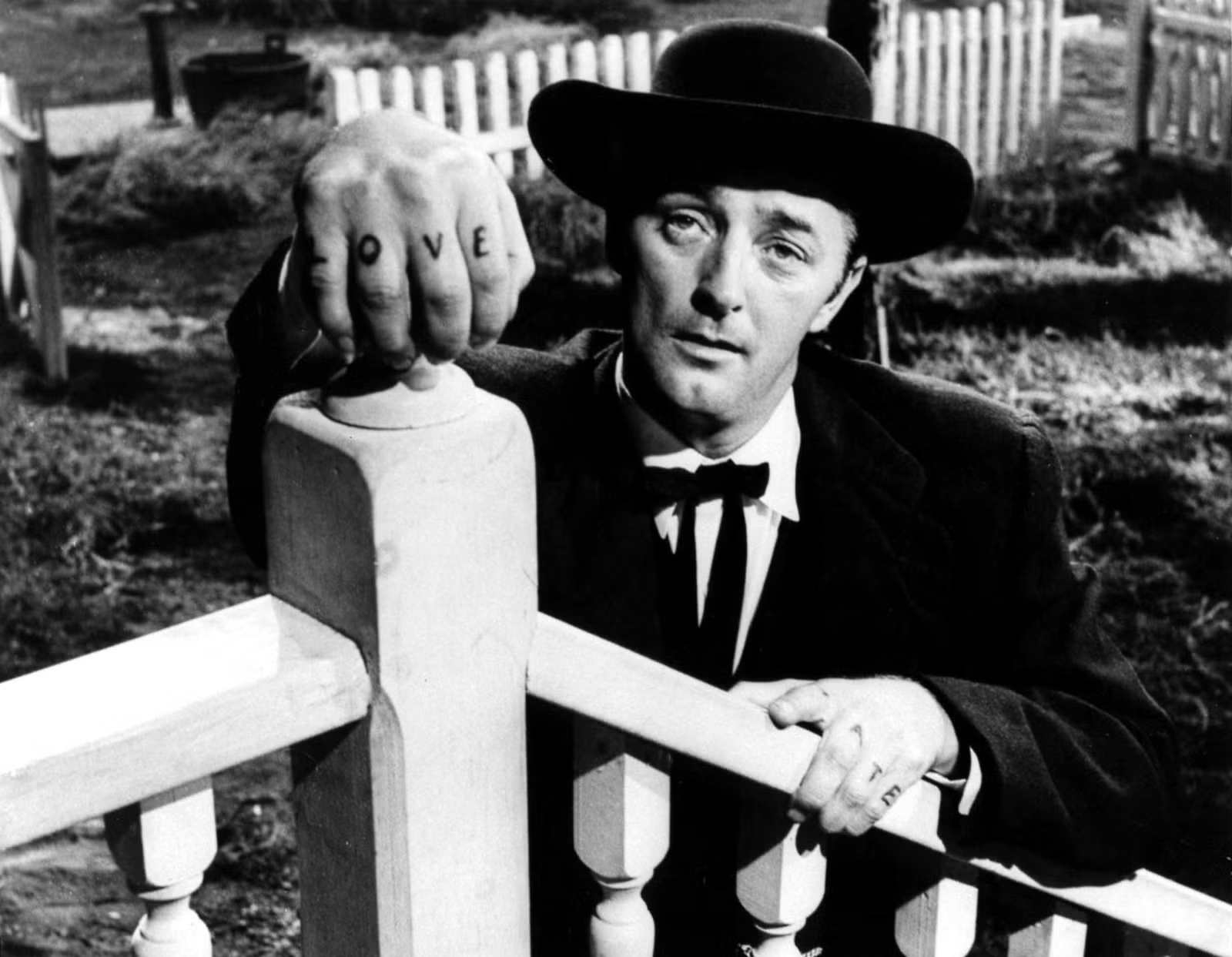
Charles Laughton’s sole directorial effort, The Night of the Hunter, stands as a breathtaking triumph in the realm of cinema. Released in 1955, this film weaves an unsettling narrative that lingers long after the credits roll. At its heart is Robert Mitchum, who delivers a chilling performance as the menacing preacher, Harry Powell. His portrayal is so captivating that it immerses audiences in the film’s haunting atmosphere.
The Night of the Hunter isn’t just a simple thriller; it’s an audacious blend of horror and art that defies the conventions of its time. Laughton’s vision transforms the screen into a canvas of shadows, each frame meticulously crafted to evoke a sense of dread. The film’s cinematography, with its stark contrasts and surreal settings, draws viewers into a dream-like landscape teetering on the edge of nightmares. It’s a visual experience that marries storytelling with striking artistry in a way few films ever achieve.
As the plot unfolds, audiences are drawn into a tale of deception and innocence, set against the backdrop of the Great Depression. The story revolves around two children who must navigate a world filled with danger and treachery, representing the loss of childhood innocence in a harsh reality. Laughton’s ability to capture the complexities of good and evil is profound, illustrating how the masks people wear can disguise their true intentions.
The performances, particularly that of Shelley Winters as the vulnerable mother, add layers to this already rich narrative. The dynamic between the characters is electric, with tension radiating from every interaction. This film is as much about the characters as it is about the chilling journey they undertake, showcasing Laughton’s understanding of human nature’s darker facets.
Despite its initial lack of commercial success, The Night of the Hunter has since gained recognition as a classic, influencing countless filmmakers and remains a benchmark in the thriller genre. It’s a film that doesn’t fit neatly into any category, forcing audiences to grapple with the unsettling themes it presents. The haunting score and rhythm of the storytelling create an immersive experience that makes it feel almost timeless.
Watching it today, one can see why this film resonates so deeply with viewers. It taps into universal fears and the complexities of morality, creating a visceral experience that is both engaging and thought-provoking. Charles Laughton may have made only this one film, but its legacy lives on. In a world teeming with formulaic releases, The Night of the Hunter is a striking reminder of the power of cinematic artistry and storytelling. It firmly establishes itself as a thrilling masterpiece, one that perfectly encapsulates the essence of a true one-and-done classic.
Source: polygon.com