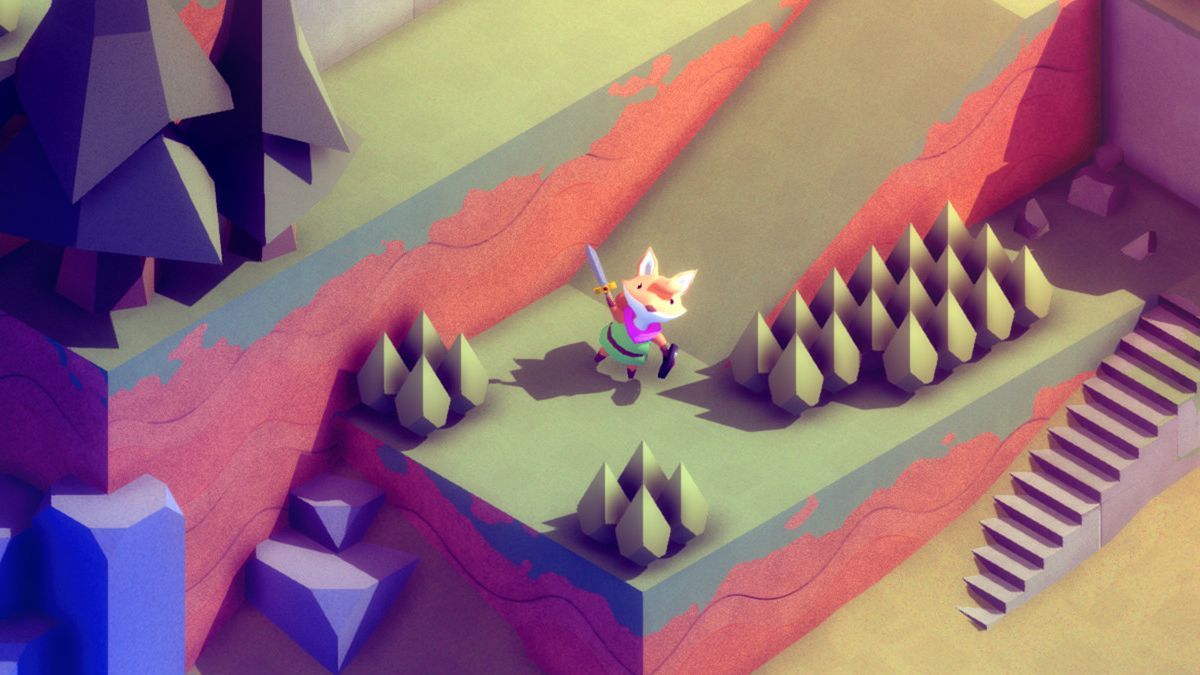
In a climate where every dollar counts, the indie game scene is feeling the pinch more than ever. Rebekah Saltsman, CEO of Finji—the publisher behind the charming adventure title Tunic—recently shared her thoughts on the struggles faced by indie developers. She described the current landscape as one of survival, highlighting a troubling trend among publishers who are increasingly hesitant to back projects that seem only poised to yield modest returns.
When you consider the demands of game development and the rising costs associated with marketing and production, the reality becomes stark. Saltsman pointed out that for many in the indie realm, the goal isn’t grandiosity; it’s simply to turn a profit sufficient to sustain their teams. She mentioned that requests for funding as seemingly innocuous as $250,000 can be dismissed as a drop in the bucket, suggesting that publishers now prioritize high-reward ventures over nurturing smaller, innovative projects.
It’s not hard to see where this shift has come from. The industry has seen substantial investments directed towards larger titles, which have certainly delivered spectacular results. However, as indies find themselves in this survival mode, it’s a reminder that the creativity and innovation that often bloom from smaller studios can get overshadowed. When the focus is solely on profitability, we risk losing the very spirit that makes indie games unique and vital to the gaming ecosystem.
As the conversation around funding and support for indie games continues, Saltsman’s perspective serves as a crucial reflection on an industry in flux. Developers are left navigating a challenging terrain, marked by tight budgets and increasing scrutiny, all while attempting to craft experiences that resonate with audiences. The future of indie gaming may depend on how effectively these creators can adapt and draw attention to the value they bring—a value that extends far beyond raw revenue figures.
Source: pcgamer.com