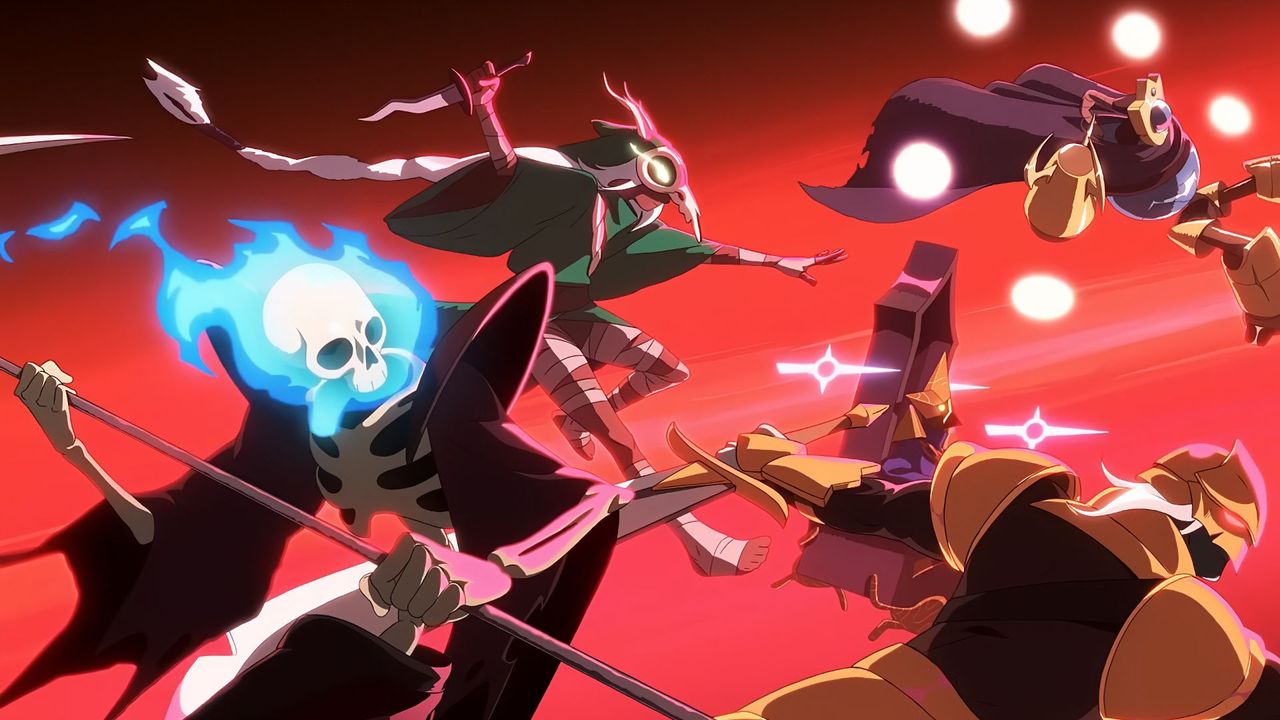
Slay the Spire 2 has emerged as one of the standout successes of the year, capturing the attention and admiration of gamers around the globe. Amid its triumph, it’s important to reflect on the events that led to it abandoning Unity, a decision rooted in the controversy surrounding Unity’s fee structure changes.
In late 2023, Unity announced a new payment model, stirring significant backlash from developers and the gaming community alike. The proposed fees felt punitive to many, essentially placing additional financial burdens on creators based on their game’s success. Understandably, this overhaul sparked widespread concern, and developers were quick to voice their frustrations. For a game like Slay the Spire 2, which was already on track to redefine the rogue-lite genre, the last thing it needed was to navigate a treacherous funding landscape.
The decision to move away from Unity was not taken lightly by the creators of Slay the Spire 2. They had invested considerable time and resources into the engine, only to find themselves in an increasingly hostile environment. The bold move to seek alternatives underscored just how severe the situation was. It was a matter of survival for independent developers who could not afford to encounter unexpected costs after pouring their hearts into their projects. In a nutshell, Unity’s misstep became an opportunity for Slay the Spire 2 to forge its own path.
As the game released and gained traction, it not only showcased the developers’ commitment to delivering a polished experience but also served as a stark reminder of the wider implications stemming from corporate decisions in the gaming industry. The Unity debacle, a case study in what happens when companies miscalculate their relationship with the indie scene, forced many developers to reconsider their partnerships.
Slay the Spire 2 is thriving now, and for good reason. It has retained the essence of its predecessor while adding layers that entice both new players and series veterans. The community response has been overwhelmingly supportive, reinforcing the notion that when developers put player experience first, they can transcend the challenges thrown at them by corporate misjudgments.
As fans dive into this new adventure, the shadows of Unity’s past decisions linger, but they also serve as a testament to resilience and the ever-evolving landscape of game development. For the creators of Slay the Spire 2, abandoning Unity was not just a reaction; it was a calculated move that illustrated their dedication to their craft and their audience. As we celebrate the success of this title, it serves as a beacon of hope for indie developers navigating uncertain waters in a constantly shifting industry.
Source: pcgamer.com