
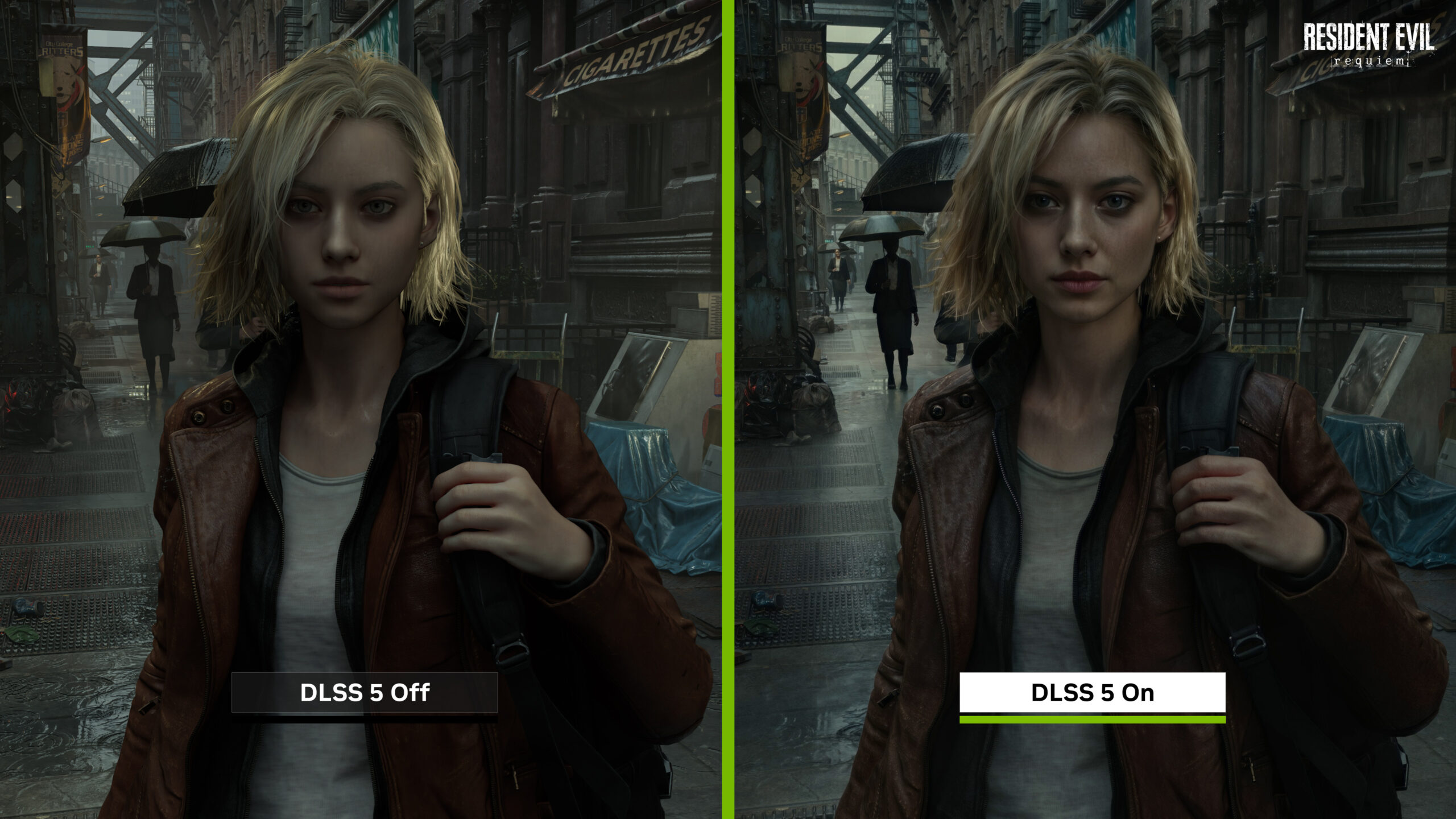
Nvidia has recently unveiled its latest advancement in gaming technology, DLSS 5, set to redefine how we experience graphics in video games. Touted for its ability to infuse games with what Nvidia calls photoreal lighting and materials, the announcement generated significant buzz. However, the excitement was quickly tempered by a wave of criticism.
The concept is ambitious—using artificial intelligence to enhance visuals and deliver a new level of realism to players. Images showcased at the reveal showed stunning effects that could potentially reshape how players engage with their favorite titles. Yet, not everyone is convinced. Gamers and industry insiders alike have voiced concerns, branding this initiative as little more than a gimmick or, as one outspoken critic put it, a “garbage AI filter.”
The backlash appears rooted in a fundamental skepticism about whether these heightened visuals truly enhance gameplay or merely serve as flashy marketing. Many feel that while the technological leaps are impressive on paper, they may not translate to the immersive experiences players crave. Some skeptics have even argued that the intensity of AI-driven graphics could prioritize aesthetics over game mechanics, which is where the heart of player engagement truly lies.
As the discussion unfolds, it’s clear that Nvidia has stirred the pot with DLSS 5. The promise of photorealism is tantalizing but raises questions about the balance between visual fidelity and gameplay authenticity. As developers begin to integrate this technology, it will be crucial to watch how it impacts the overall gaming landscape and whether it can silence the naysayers. Ultimately, the road ahead seems as fascinating as the visuals Nvidia hopes to deliver.
Source: videogameschronicle.com