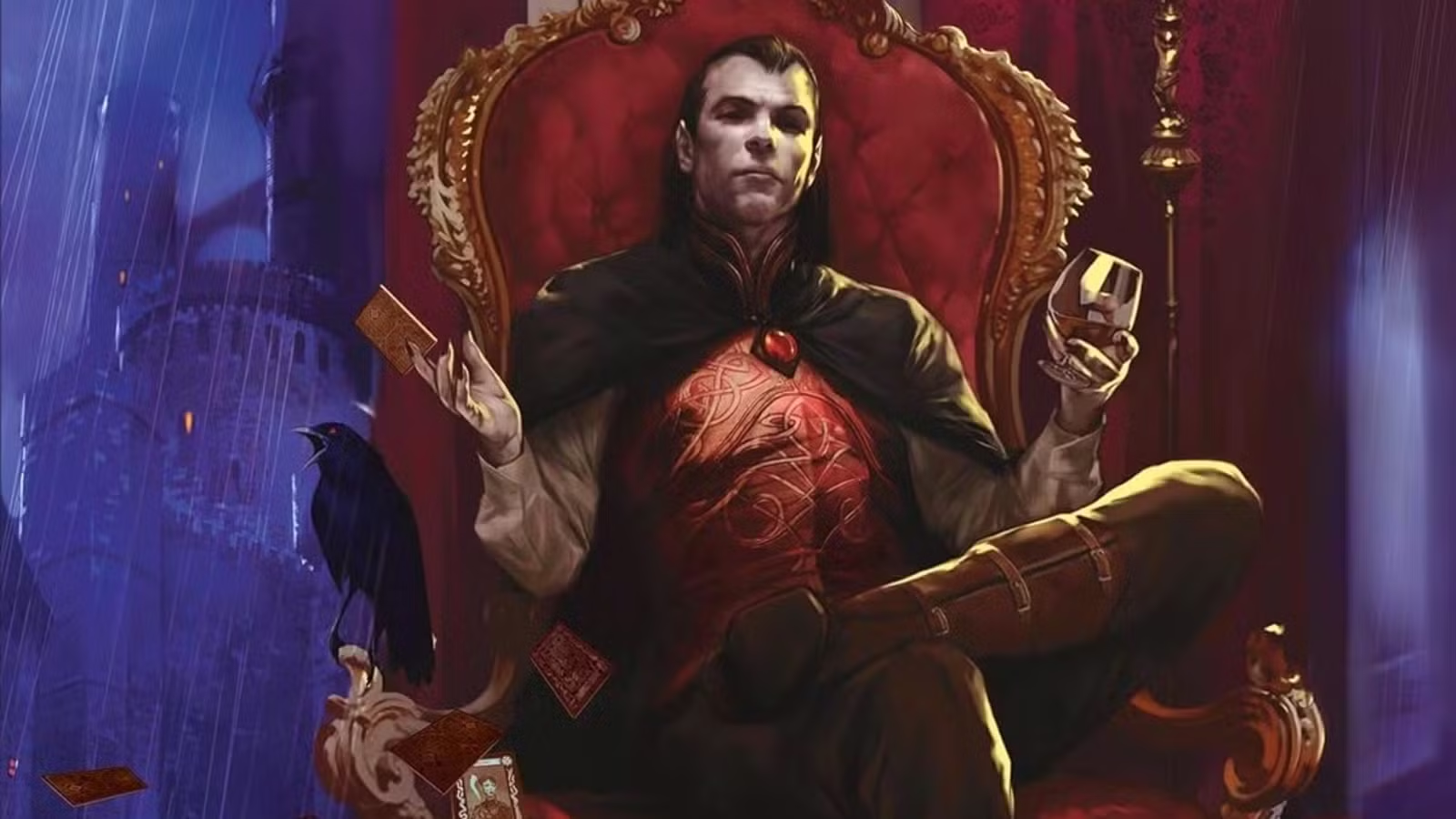
As Chris Perkins looks back on the decade since the release of Curse of Strahd, the conversation naturally meanders through the shadows of Barovia, a place that has left a deep imprint on the Dungeons & Dragons landscape. When Wizards of the Coast decided to breathe new life into the classic Ravenloft module for the fifth edition, it wasn’t just about updating old material; it was about capturing the essence of gothic horror and turning it into an unforgettable experience for a new generation of players.
Perkins is quick to highlight the enduring appeal of Count Strahd von Zarovich. This iconic villain has transcended time, and the richness of his story resonated with both seasoned gamers and newcomers alike. The adventure elegantly balances dark themes with tantalizing opportunities for exploration and role-play. The emotional weight of the characters intertwined with the overarching narrative created a perfect storm—one that ultimately led to Curse of Strahd becoming the best-selling D&D adventure in history.
What struck a chord with many players and Dungeon Masters was the vivid atmosphere and deep lore that the game offers. There’s a palpable sense of dread that hangs in the air as players traverse the treacherous landscapes, each choice carrying consequence. Perkins emphasizes that this intricate tapestry of storytelling is partly a product of excellent collaboration and the longing among players for meaningful engagement in their campaigns. He recognizes that the success isn’t just a stroke of luck; it’s rooted in a deep understanding of what makes horror effective, a keen sense of pacing, and pacing that allows for moments of levity amidst the tension.
The legacy of Curse of Strahd continues to influence D&D today. Its impact can be seen in the growing trend of players seeking out more narrative-driven experiences and the way storytelling has shifted within campaigns. Perkins mentions how the toolkit provided by Curse of Strahd has encouraged more DMs to experiment with darker themes, ensuring that the spirit of those ghostly nights in Barovia lingers on.
As Perkins reflects, it’s clear that the adventure is more than just a series of encounters; it invites players to immerse themselves deeply, to connect with characters, and to experience a story that can haunt their collective memories. A decade later, the echoes of Curse of Strahd continue to resonate, proving that great storytelling never truly fades; it simply waits for the next group of adventurers to uncover its depths.
Source: polygon.com