Tobe Hooper’s 1981 film The Funhouse is one of those hidden gems in the horror genre that deserves more attention than it typically gets. Known primarily for his groundbreaking work on The Texas Chain Saw Massacre, Hooper brought a different kind of terror to the screen with this unsettling tale that skillfully blends elements of slasher films and psychological horror.
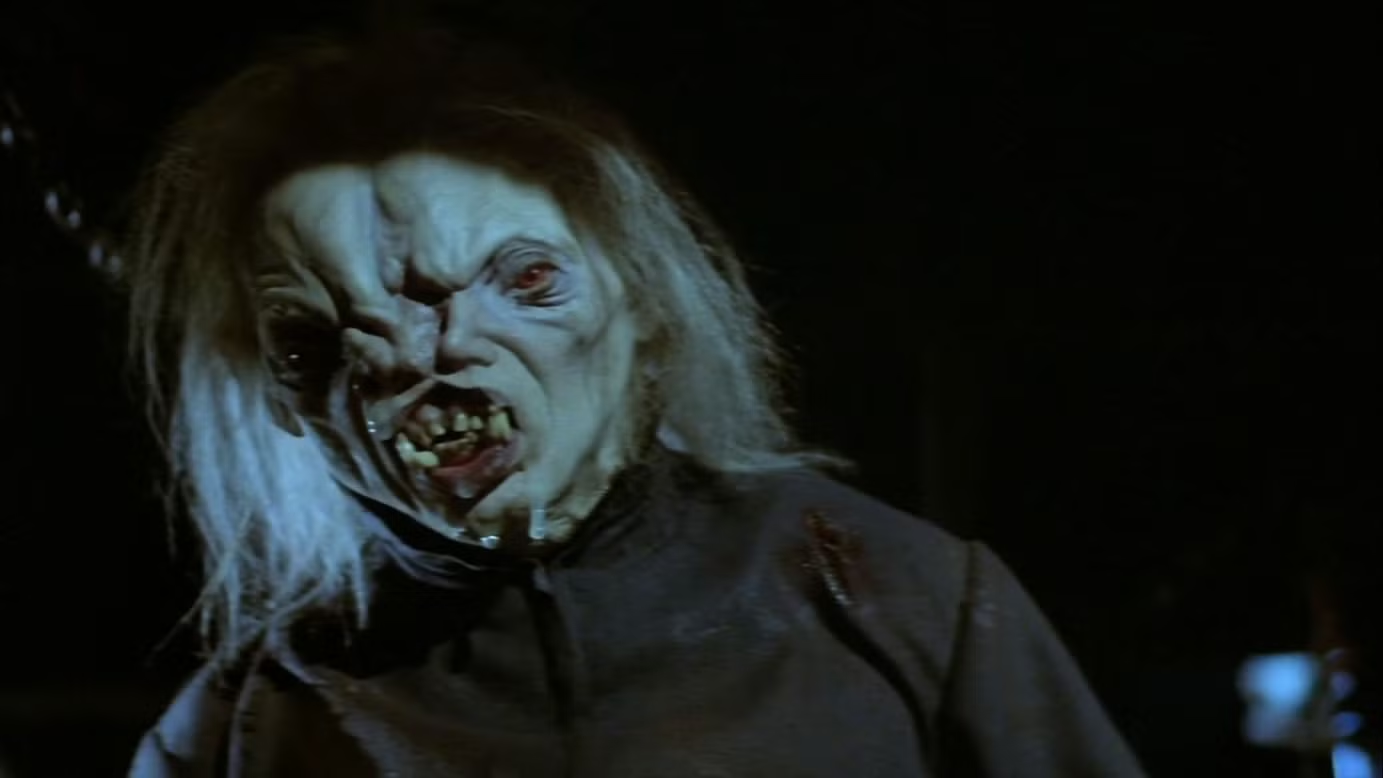
Set in a creepy carnival, the atmosphere is drenched in tension from the very start. The film follows a group of teenagers who venture into a funhouse, only to find themselves stalked by a deformed killer. What makes The Funhouse stand out in a decade overflowing with horror flicks is how it subverts typical genre tropes while delivering genuine scares. Hooper crafts a sense of dread that goes beyond the usual blood and guts, creating a more nuanced experience that keeps viewers on edge.
The characters are painted with a degree of complexity that’s often missing from standard slasher fare. They’re not just fodder for the villain; each one has their own aspirations and fears, making their ultimate fates resonate on an emotional level. The performances, particularly from the lead, add a layer of realism to the unfolding chaos, which enhances the film’s impact.
Visually, The Funhouse captures the garishness of a carnival gone wrong. The set design and practical effects invoke a striking sense of place, immersing viewers in a nightmarish world that feels both familiar and twisted. The tension builds not just with the appearance of the killer but through the overwhelming atmosphere of the funhouse itself—an environment designed to confuse and disorient.
In a time when slasher films often relied on shock value, Hooper’s work remains notable for its eerie ambiance and psychological undertones. It’s a testament to his ability to blend horror with social commentary, inviting viewers to consider deeper themes about fear and exploitation.
Despite its initial lukewarm reception, The Funhouse has found its audience over the years. Cult status doesn’t always guarantee quality, but in this case, the film rewards those willing to look beyond its mainstream era. As horror continues to evolve, revisiting Hooper’s underrated gem serves as a reminder of the genre’s roots and its storytelling potential. If you haven’t seen it yet, consider giving The Funhouse another shot. You might just find that it holds up surprisingly well, still delivering a few jolts along the way.
Source: polygon.com