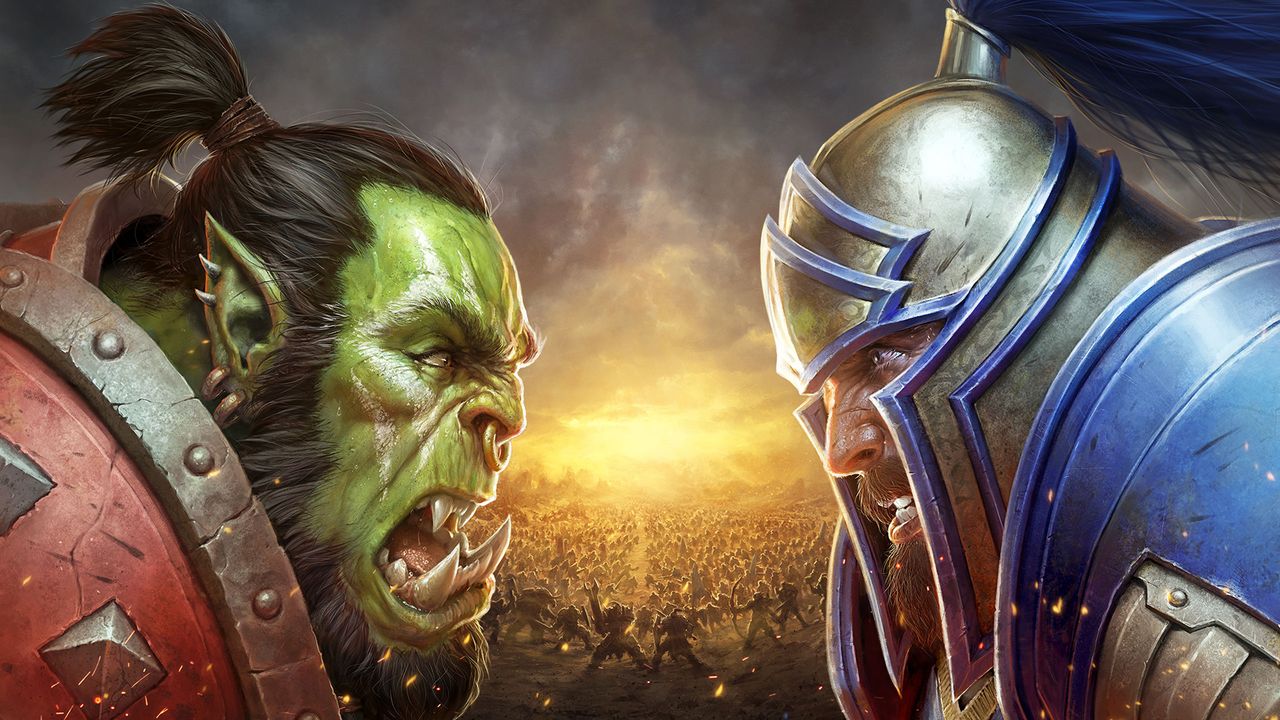
In a recent discussion reflecting on the development of World of Warcraft, Jeff Kaplan opened up about the contentious decision to split the game’s factions into the iconic Horde and Alliance. Interestingly, this core aspect of the game was not finalized until a mere nine to twelve months before launch, a move that sheds light on the intense debates within the team during production.
Kaplan emphasized how the faction division contributed to gameplay dynamics, highlighting the immediate sense of team affiliation it fostered among players. Rather than going for a more generalized multiplayer experience, the choice to create distinct groups added depth and rivalry, setting the stage for a richer, more immersive environment.
While this decision ultimately shaped the identity of Warcraft, it’s clear that not everyone was on board with the idea initially. The split sparked significant conversations among developers and raised questions about balance, player engagement, and the overall direction of the game.
The controversy surrounding this decision seems to have been part of what makes World of Warcraft so compelling. As players dove into the world, the rivalries and alliances that emerged enhanced their experience in ways that are still resonant in the community today. It’s a fascinating look back at how one of gaming’s most influential franchises was shaped by internal dialogue and creative risk-taking.
Source: pcgamer.com