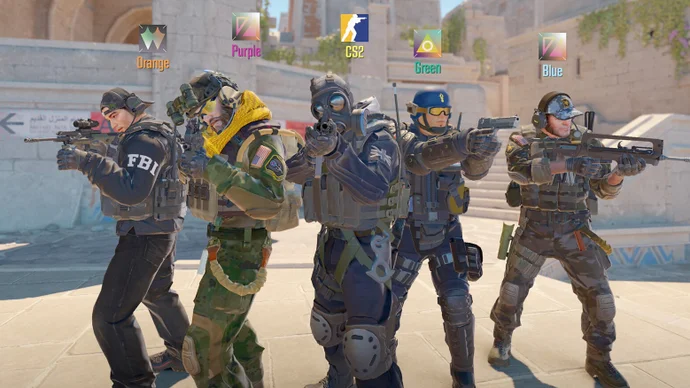
Recently, New York Attorney General Letitia James dropped a significant legal bombshell by announcing that the state intends to sue Valve, the company behind popular titles like Counter Strike 2 and Dota 2. The core of the lawsuit revolves around the gambling implications of the loot boxes featured in these games. James argues that both minors and adults are being subjected to what she describes as illegal gambling practices, likening the loot box mechanics to slot machines. In her view, Valve is effectively acting like a casino, which raises serious ethical and legal questions.
This case marks a pivotal moment not just for Valve but for the gaming industry as a whole. The outcome could set a precedent in how companies handle in-game purchases and microtransactions. Gamers are increasingly scrutinizing these mechanics, as concerns over their impact on players, especially younger audiences, continue to grow.
What does this mean for Valve and its community? For players, the potential ramifications could be twofold. If the state wins, it could lead to significant changes in how loot boxes are implemented, perhaps requiring more transparency or even restrictions on their use. On the other hand, if Valve manages to prevail, it could reinforce the status quo, leaving existing practices largely untouched.
The lawsuit taps into a larger conversation about the ethics of monetization strategies in gaming. Someone familiar with the law pointed out that the lawsuit’s implications extend beyond just New York. If this leads to broader scrutiny or regulations, it could shift how the industry approaches microtransactions. Players might find themselves on either side of a coin—fighting for consumer protections while navigating the ever-evolving landscape of game monetization.
This case is not just about one company or its products. It represents a crucial intersection of law, technology, and player rights, challenging how we define gambling in the digital age. As developments unfold, both Valve and its millions of players will be watching closely.
Source: eurogamer.net