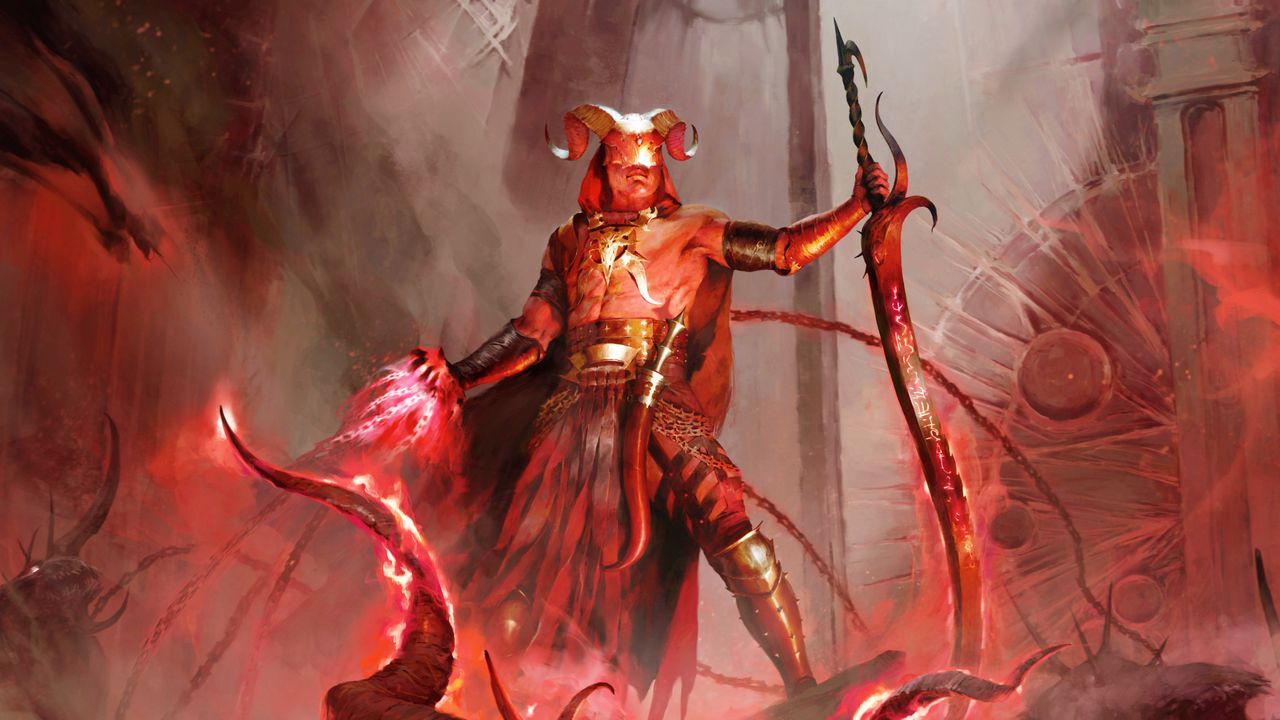
Diablo 4 continues to evolve, and the introduction of expanded skill trees has opened up a world of possibilities for players eager to experiment with their builds. The recent talk around warlock mechanics is particularly exciting, allowing for a unique approach to casting spells—it’s almost like summoning demons as if they were mere spells, blending the boundaries between summoning and traditional magic in a way that feels fresh and thrilling.
With the warlock’s capabilities capturing the community’s imagination, I can’t help but wonder how this will translate to other classes, especially with the impending presence of the Lord of Hatred. The potential for transformation is immense. Imagining how other playstyles might adapt or even be redefined by the influence of such a formidable figure is tantalizing. Could the necromancer gain even darker powers, or might the barbarian harness some of that chaotic energy to enhance its already ferocious combat?
The ability to customize skills so intricately not only breathes new life into gameplay but also encourages experimentation. Players are no longer confined to predetermined paths; instead, we’re encouraged to embrace creativity, to think about the synergy between skills in ways we haven’t before. The warlock’s unique take on casting has made many of us rethink our strategies and, quite frankly, our expectations for the game.
As we look forward to additional updates and the inevitable unveiling of the Lord of Hatred’s impact on the classes, there’s a palpable excitement in the air. Diablo 4 promises to keep both veteran players and newcomers engaged as we explore this darker, more nuanced side of the franchise. The future of our builds feels more open and expressive than ever, and that kind of potential is what keeps the spirit of gaming alive.
Source: pcgamer.com