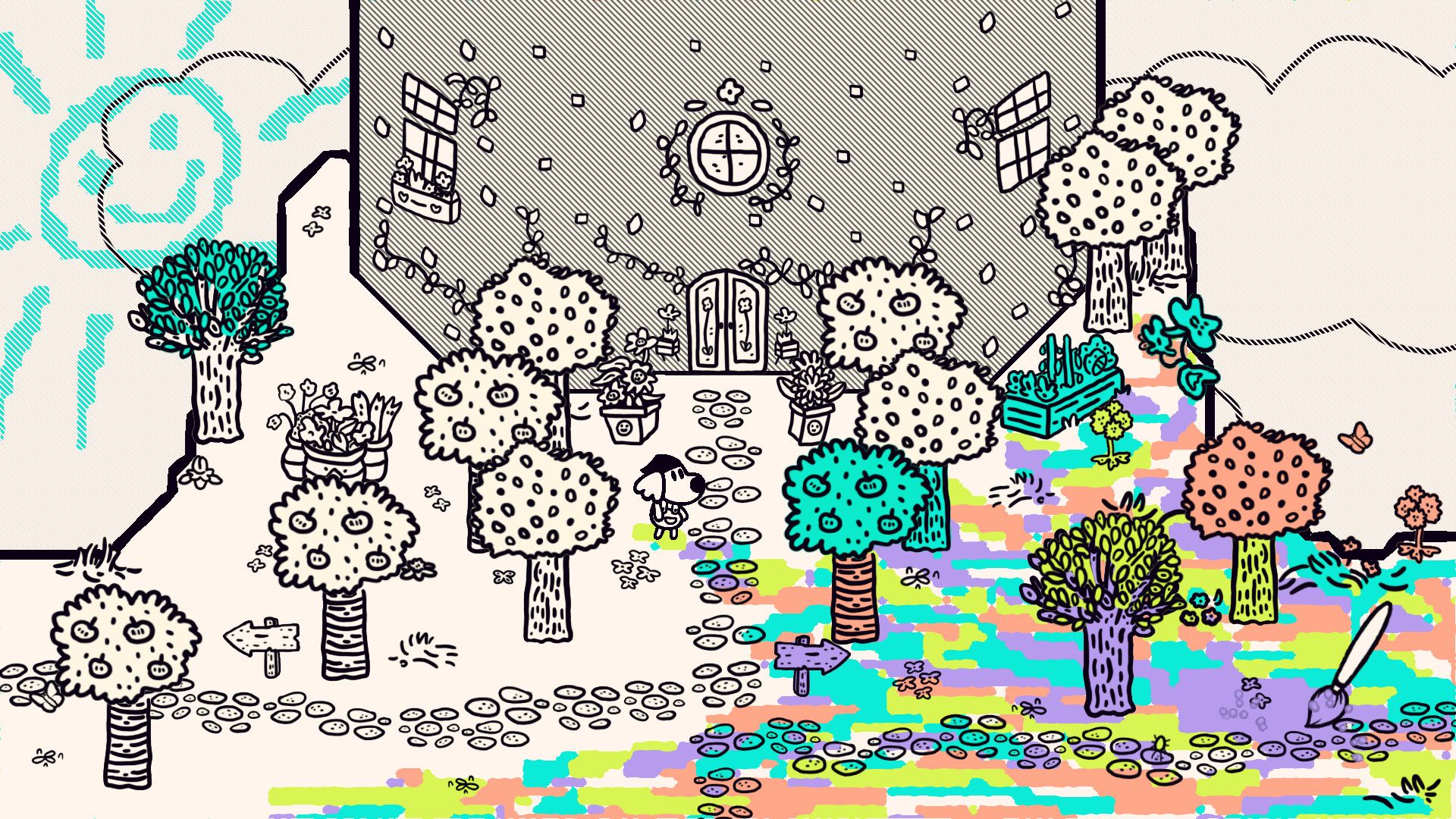
Chicory: A Colorful Tale has undeniably secured its place in the hearts of gamers since its release five years ago. What might have initially seemed like a charming art adventure has evolved into something far more profound. Even today, this indie hit remains an emotional touchstone, delving into themes of mental health and the often overwhelming pressures of society.
At first glance, the game presents a whimsical world where players wield a paintbrush as a tool for both creativity and exploration. You are thrown into the vibrant, monochromatic land of Picnic and handed the power to restore its color. What follows is not just a quest to bring life back to a faded landscape but an introspective journey that mirrors the complexities of real-life pressures and emotional struggles. Chicory invites players to explore their own creativity and vulnerability, often reflecting those intimate battles with self-doubt and the looming shadow of societal expectations.
The storytelling in Chicory is subtle yet impactful. Through its narrative, the game tackles the themes of imposter syndrome, anxiety, and the heavy weight of expectations. The protagonist, a little dog named Chicory, grapples with questions that many of us face regularly. What does it mean to be worthy? How do we find and express our unique voices in a world that constantly pushes us to conform? As players guide Chicory, it becomes increasingly clear that the journey is both literal and metaphorical, one that encourages introspection while still offering delightful gameplay mechanics.
Visually, the game continues to stun. The hand-drawn aesthetics create an inviting environment that is as vibrant as it is soothing. The use of color in the game serves not only aesthetic purposes but also emotional ones, illustrating what it means when darkness begins to overshadow our lives. Every splash of paint feels deliberate, echoing the importance of self-expression. It’s a world that feels alive, filled with characters who each have their struggles and their own ways of dealing with vulnerability.
The music, composed by Lena Raine, adds multiple layers to the experience. It dances between ethereal melodies and nostalgic sounds that linger long after the console is turned off. The soundtrack serves as an emotional backdrop, capable of lifting spirits and eliciting tears in equal measure. Just as the visuals enhance the narrative, the music deepens the emotional connection, reinforcing the idea that joy and sorrow often coexist.
Chicory's community response is another testament to its lasting power. Players have shared their own stories of healing and inspiration fueled by the game. Its unique messages resonate with anyone who has felt the pressures of life weigh down on their creativity and mental health. It is remarkable how something so beautifully crafted can foster such open conversations about personal struggles.
Looking back, it’s clear that Chicory: A Colorful Tale is more than just an indie gem; it’s a reflection of our collective human experience. Its ability to resonate across time showcases the artistry that video games can achieve, blending gameplay with meaningful discussions on mental well-being. As players continue to discover its vibrant world, one thing becomes increasingly clear: Chicory is a timeless exploration of inner landscapes, proving that the quest for self-acceptance is one that never truly finishes.