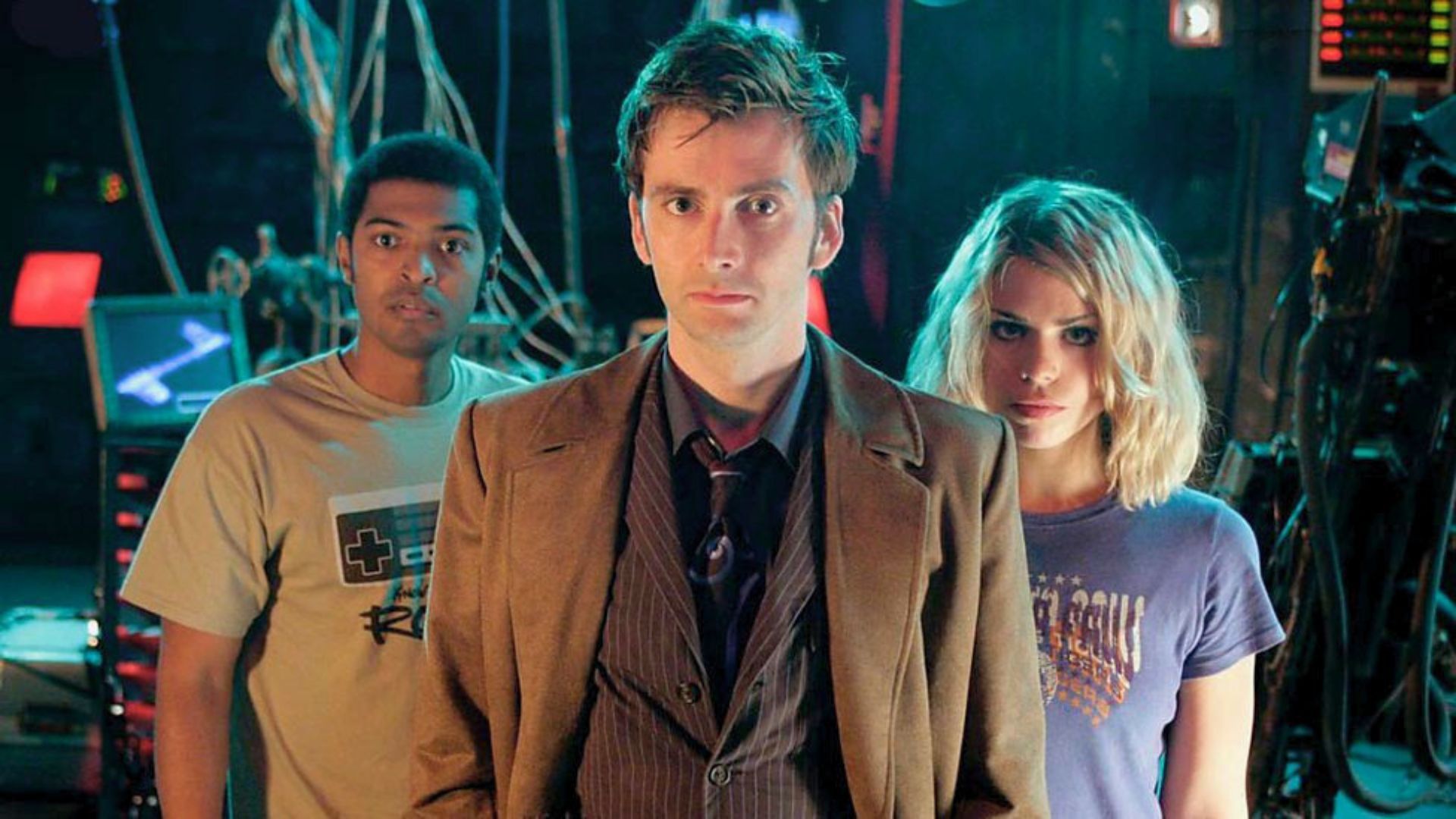
Two decades have passed since "Love & Monsters" aired in 2006, and still, it stirs heated debates among Doctor Who enthusiasts. Often dismissed as one of the series’ most misunderstood episodes, it remains a lightning rod for criticism while quietly urging fans to reconsider its merits. In the vast tapestry of the Whoniverse, it stands out, offering a blend of genuine emotion and a unique narrative style that many still overlook.
At first glance, the episode's premise appears at odds with what viewers typically expect from the long-running series. Instead of focusing primarily on the Doctor, played at the time by David Tennant, the story pivots to a character named Elton Pope. He’s a passionate young man drawn into the world of the Doctor after a brief encounter. The twist here, however, is that we see the ramifications of the Doctor’s adventures through the eyes of a regular person, rather than through the lens of heroism and adventure that often defines the series. This shift in perspective is what sets "Love & Monsters" apart, and yet, it’s the very reason it drew the ire of critics upon its initial release.
The criticism was multifaceted. Some fans felt shortchanged by what they perceived as an unnecessary detour from the action-packed storytelling typical of Doctor Who. The episode’s emotional core, framed around Elton’s exploration of loss and love, painted a landscape that felt alien compared to the series’ usual fare. Many missed that this was a deliberate move, designed to highlight the impact the Doctor has on the lives of ordinary people. Amid the whimsical monsters and timey-wimey plot lines, "Love & Monsters" attempts to capture that human element, reminding us that for every thrilling chase, there's a quieter story waiting to be told.
And then there’s the infamous Absorbaloff, the episode's main antagonist, which some critics labeled as laughable. This was a character that blended comedy with horror, making its way into the hearts of some while pushing others away in disbelief. The Absorbaloff, with its grotesque design and somewhat absurd motivations, exemplifies the playful yet thoughtful spirit of Doctor Who. Sure, it may poke fun at B-movie tropes, yet it serves a deeper purpose: to critique the nature of obsession and the lengths to which love can compel us.
As time has passed, an audience that once ridiculed the episode has started to reapproach it with fresh perspectives. The growing appreciation for character-driven narratives in the broader landscape of television means that "Love & Monsters" has an opportunity for redemption. With discussions about mental health and emotional resilience gaining traction in contemporary storytelling, Elton’s journey resonates more now than it ever did. His struggles with loneliness and vulnerability paint a poignant picture of human connection, something that transcends a simple sci-fi plot.
Viewing the episode today invites a more nuanced understanding of its place within the Doctor Who canon. The unique blend of humor, pathos, and even absurdity speaks to the heart of the series: its capacity to juggle serious themes while breathing life into imagination. Every generation of fans connects with different aspects of the show, and "Love & Monsters," with its sincerity and emotional depth, deserves its time in the spotlight again.
As we celebrate the legacy of Doctor Who, perhaps it's time to give this misunderstood episode the chance it deserves. After all, the beauty of storytelling lies in its ability to evoke varied responses, and "Love & Monsters" is a testament to that diversity. Its quirks and unconventional narrative choices might just hold the key to a richer understanding of what it means to be part of this beloved universe.