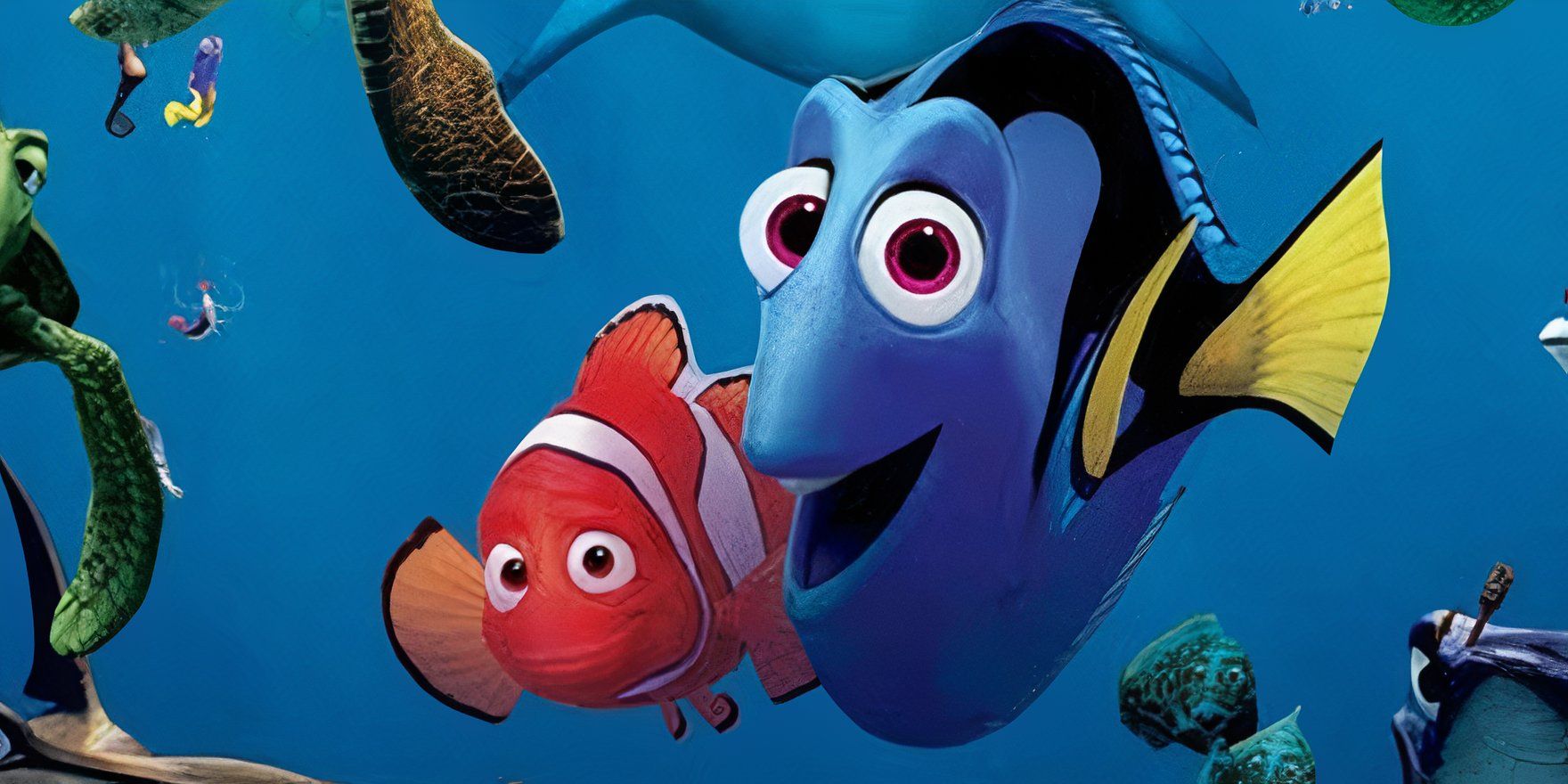
It’s hard to believe that a decade has flown by since Finding Dory hit theaters, mesmerizing audiences with its underwater adventure and heartfelt storytelling. The film didn’t just captivate hearts, though; it stirred a cultural conversation that few saw coming. A fleeting moment—a mere two seconds—of screen time ignited discussions about representation and inclusion in family-friendly animation, plunging Pixar into the midst of a culture war.
At the heart of this uproar was a scene showing a brief glance at two female characters in a loving embrace. For many viewers, this quick image was a delightful nod to more inclusive storytelling in a genre that had, until then, often played it safe. After all, Pixar had long been celebrated not just for its technical wizardry but for its ability to tackle deep emotional themes. Finding Dory, however, challenged the company to step into more daring territory, and some audience members were more than ready for the leap.
Yet, the reactions were predictably polarized. For some, a young couple supporting LGBTQ+ visibility in an animated film was a significant milestone. It represented a growing normalization of queer identities within family narratives, a step forward in an industry that had been historically reticent to portray non-traditional relationships. On the flip side, there were detractors who termed this moment as unnecessary or inappropriate for a children’s film, dismissing the brief representation as forced. This schism sparked conversations on social media, underscoring how animation, often seen as simply entertainment, serves as a powerful platform for both cultural dialogue and change.
As dedicated fans dissected the implications of this tiny scene, the impact on Pixar’s reputation was palpable. Traditionally lauded as an innovator in the realm of storytelling, Pixar found itself at a crossroads. Either it could embrace this evolving landscape of diversity, or it could continue to rest comfortably within the familiar confines of its storytelling roots. The moment in Finding Dory, although brief, was emblematic of a broader shift that the entertainment industry was grappling with—how representations of love and relationships are conceived and brought to light.
It’s fascinating to look back now, a decade removed, and assess how that scene has aged. Today, increased visibility of LGBTQ+ characters in mainstream animation seems almost routine, a benchmark that Finding Dory helped nudge closer to reality. Animated series, films, and even children’s shows now routinely celebrate diverse narratives, engaging young audiences in ways that reflect the world around them. Pixar, with its pioneering spirit, seems to be more willing than ever to fully embrace the spectrum of human experience.
In some ways, the controversy surrounding those two seconds in Finding Dory not only showcased the company’s progressive ambitions but also highlighted the wider societal tensions regarding representation. Art cannot exist in a vacuum; it’s always a reflection of the time in which it’s created. What has emerged since then is a rich tapestry of representation throughout the medium, fostering an environment where children can see themselves and their families reflected back at them.
Ultimately, that moment in Finding Dory may have seemed small, almost inconsequential, to the untrained eye. But for many, it was a reminder that representation matters, even in the most unexpected of places. It was a testament to how art can challenge norms and spark conversations that shape our cultural landscape for years to come. In retrospect, this slight shift illustrated that, while a two-second clip may be fleeting, its impact can resonate far longer, reverberating through the very fabric of cinema and storytelling.